I was in
Marinduque during the holy week for the Moriones Festival and for work. Back in 2009, I went on a
9-day silent retreat at the
Monastery of Transfiguration in Malaybalay, Bukidnon. It was a different yet refreshing and peaceful experience. I must admit I am not a fan of all the rituals and all those stuff Filipinos do during the Lenten season, but I am an open person. And so, I went, with an open mind, expecting the best.
Going to Marinduque
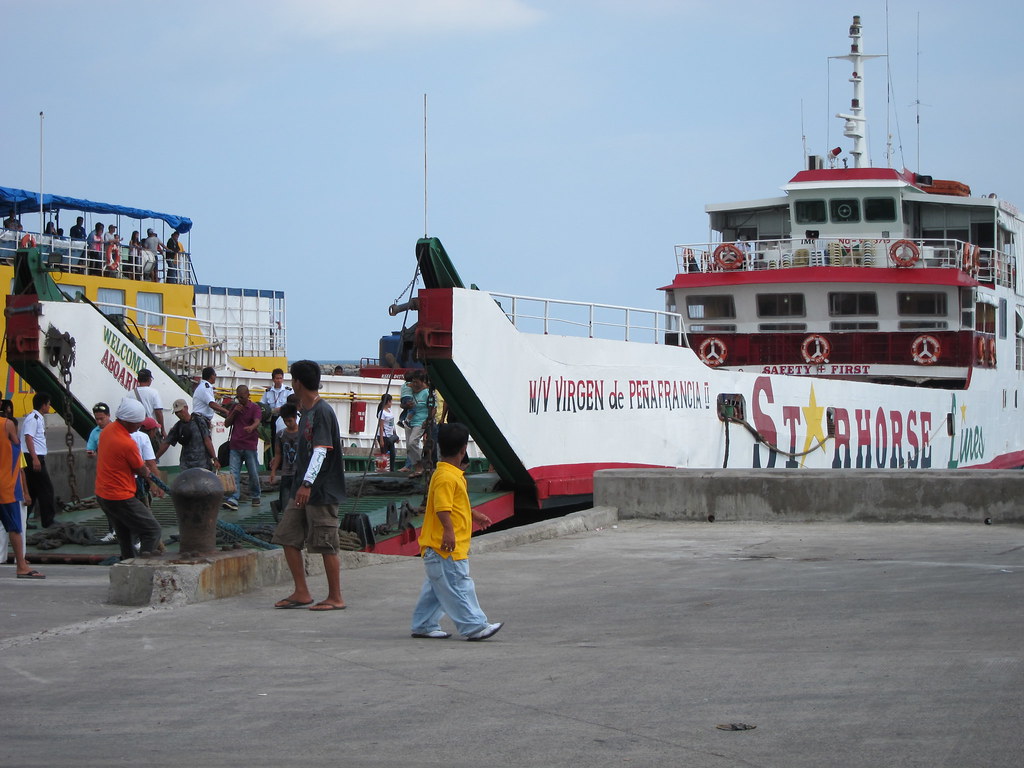
Marinduque, around 120 km south of Metro Manila, is reachable through land, sea and air. The cheapest would be for you to take a bus from Manila, or a car, drive all the way to Lucena, Quezon and ride a RORO or fast craft from Dalahican Port. The more expensive way is to ride a ZestAir plane, or a chartered one, from Manila to Marinduque.
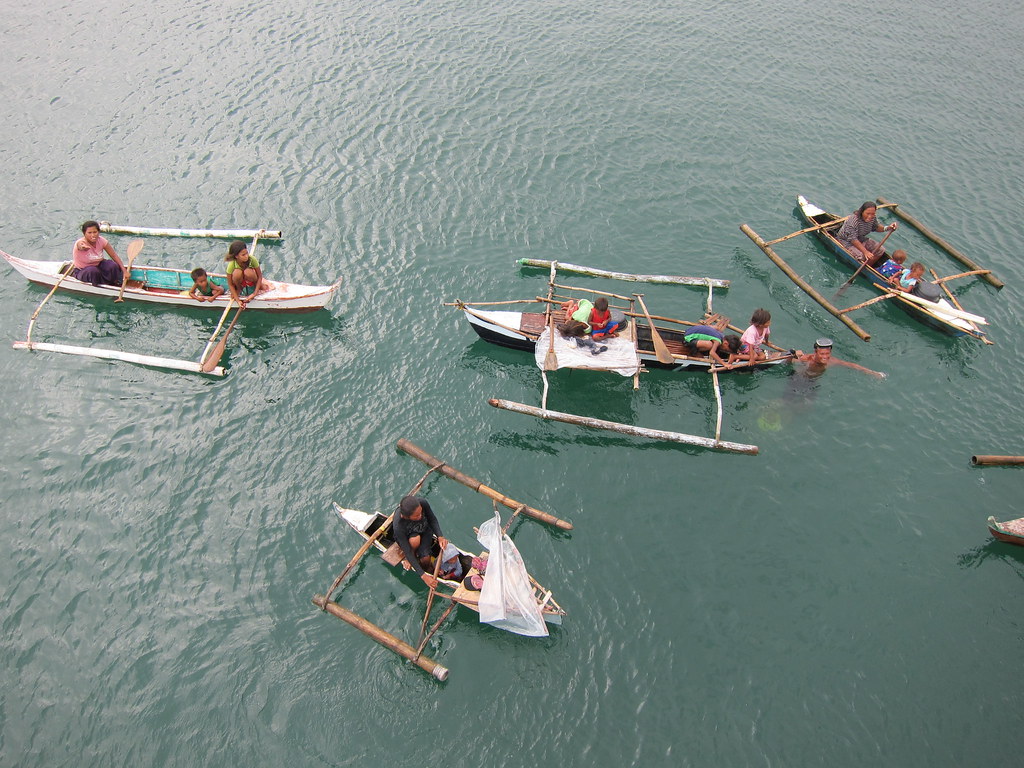
We took the Roll On Roll Off (RORO) because all plane tickets were sold out. It took us more than 2 hours on the sea to reach Marinduque. The sea was calm, so we reached our destination smoothly. We saw sea beggars at Dalahican Port, before we left.
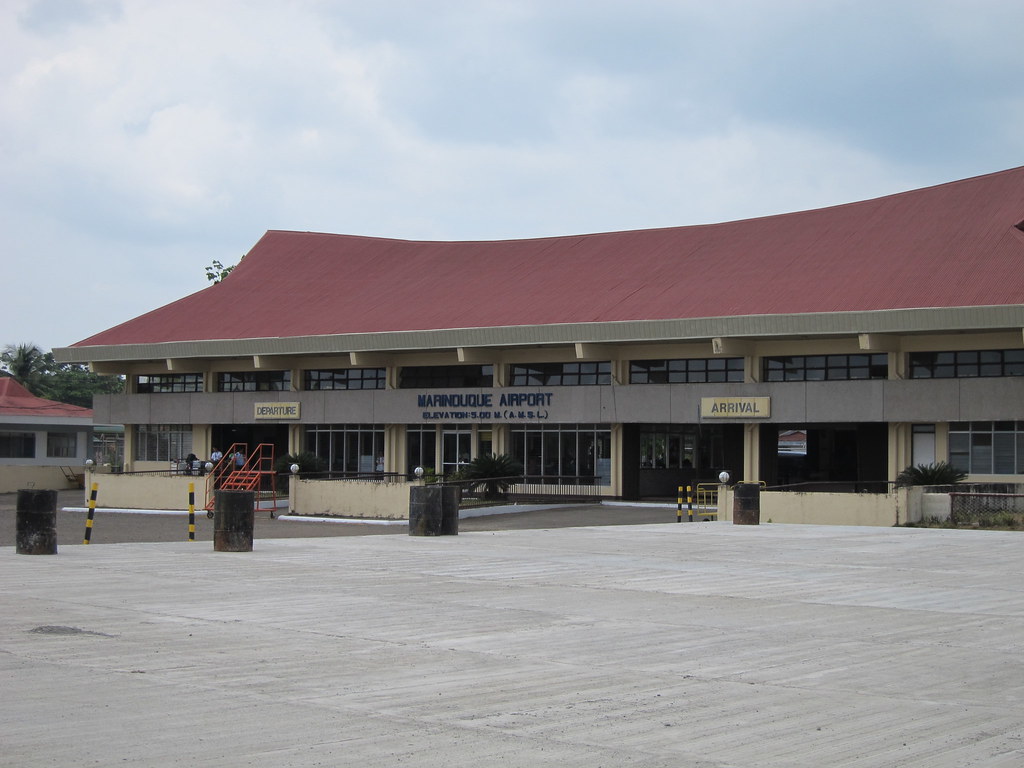 Marinduque's Food, Heritage and Culture
Beyond the famous Moriones Festival during Lenten season, Marinduque has more to offer. First of all, Marinduque, in my opinion, has really good food. Marinduque is known for its arrowroot and arrowroot cookies, made from high fiber starch extracted from uraro or arrowroot tubers. Try the arrowroot cookies with pinipig, for the extra texture and flavor.
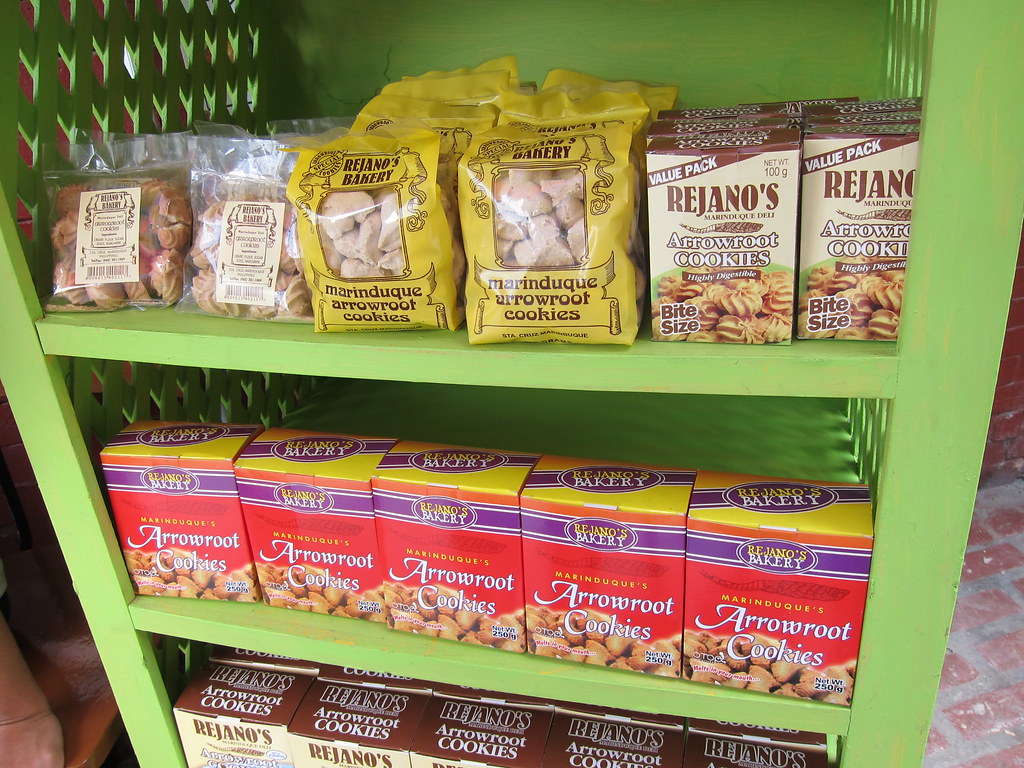
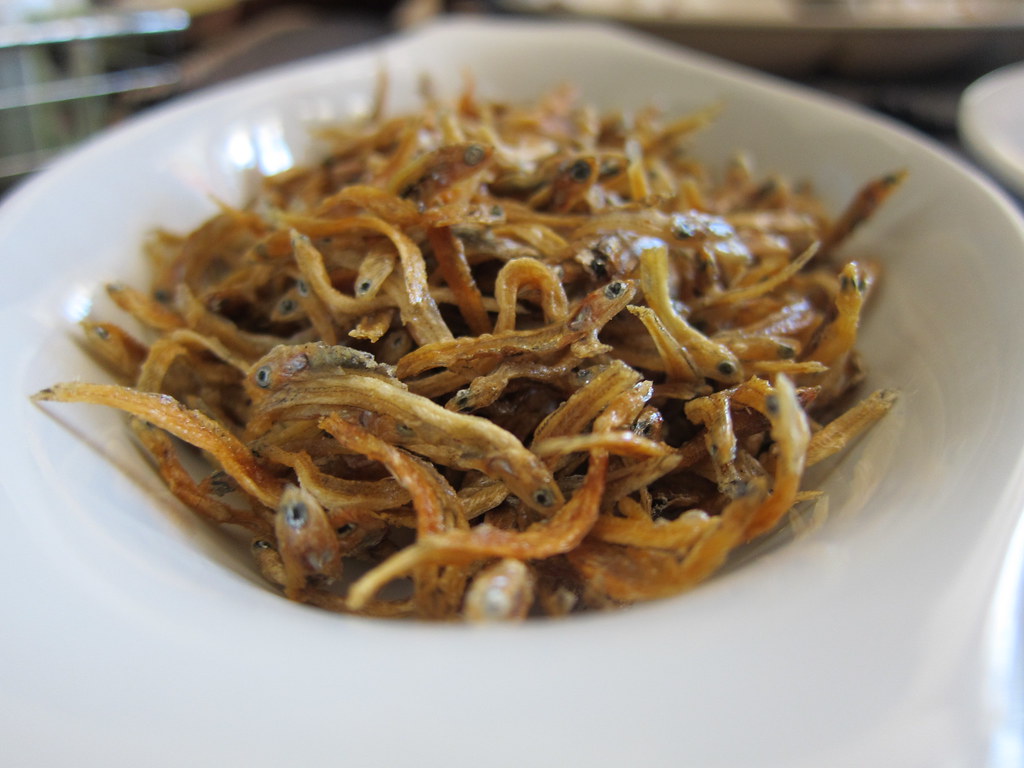
I also like their
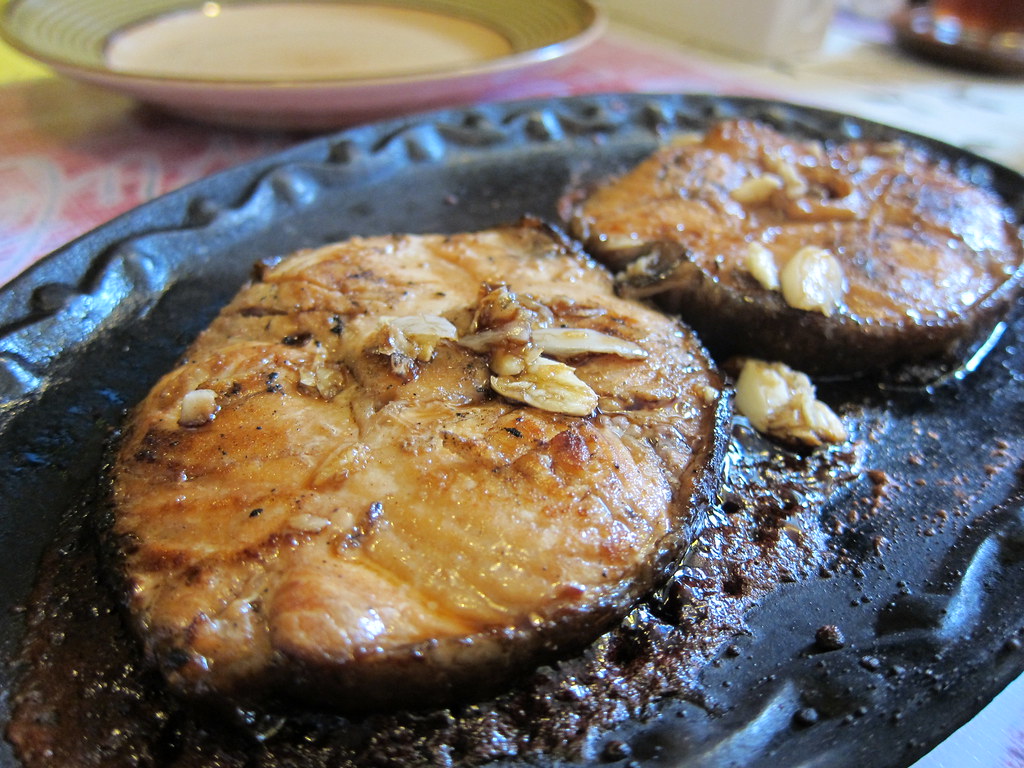
dilis, or long-jawed anchovies, and their blue marlin, which melts in your mouth. Their fish were fresh and well cooked. This one was with garlic and served in a sizzling hot plate.
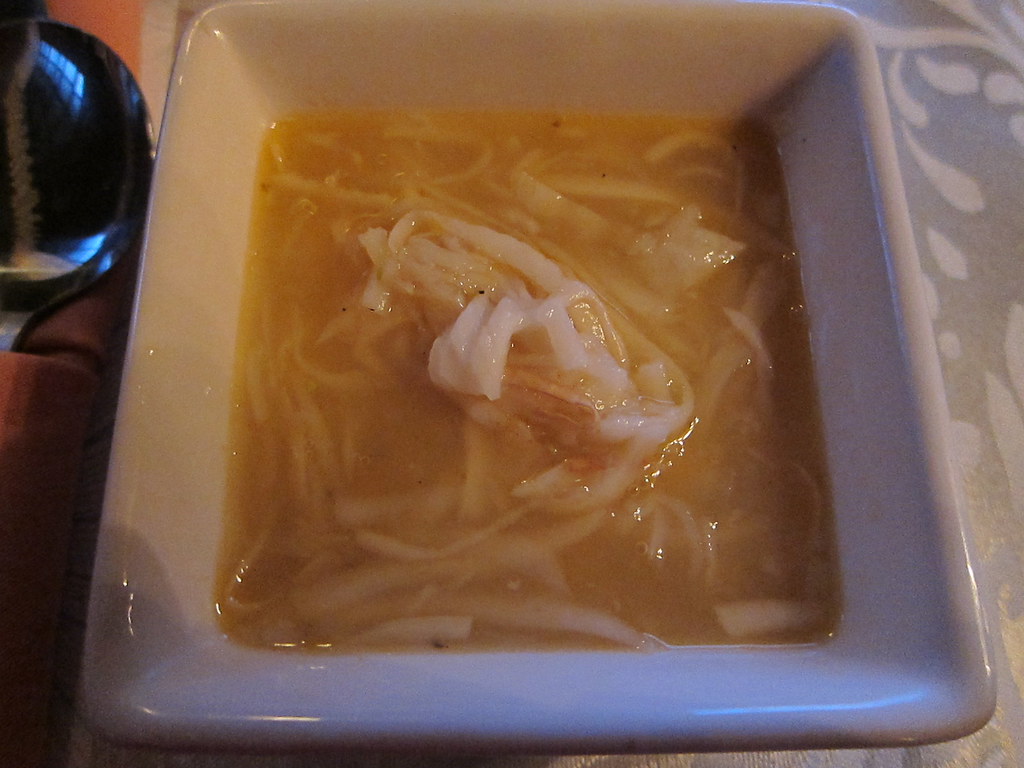
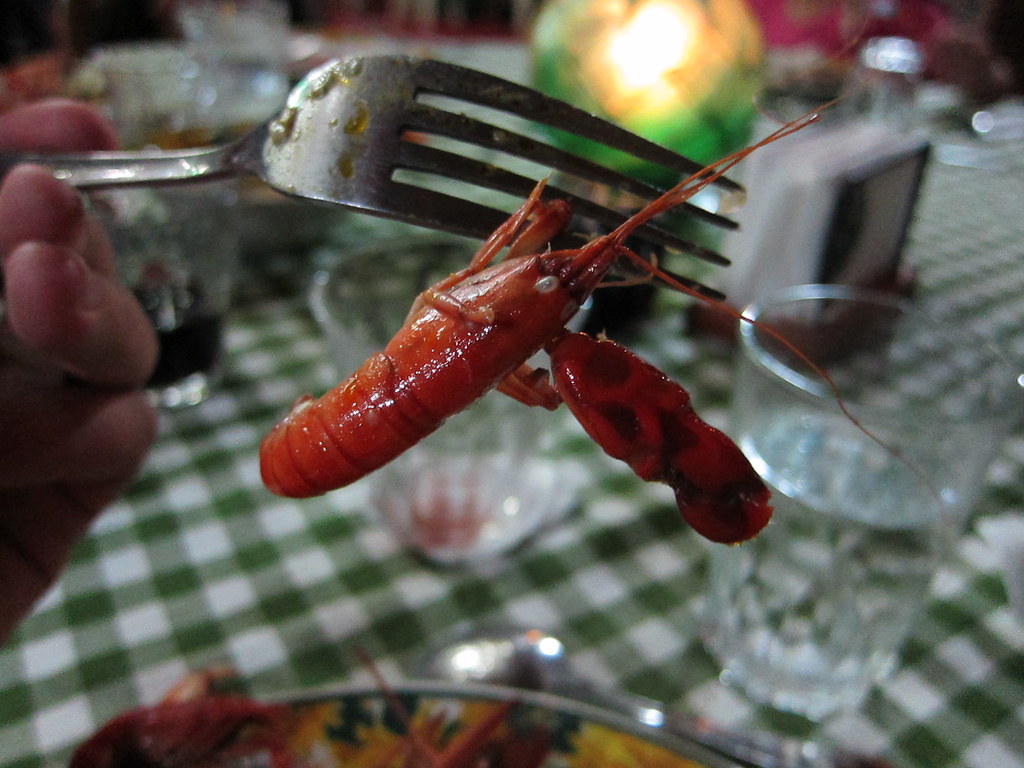
These next two "endemic" food from Marinduque were too good, I forgot how they're called. The first one is a native soup made from coconut, with coconut meat and lots of seafood in it. It's a bit sour and sweet. The next is an endemic Marinduque mangrove species. It's like a small crayfish x shrimp; it has a hard shell, but it's as small as a shrimp. Although the meat you can get from it is quite small or few, it's really yummy and quite sweet.
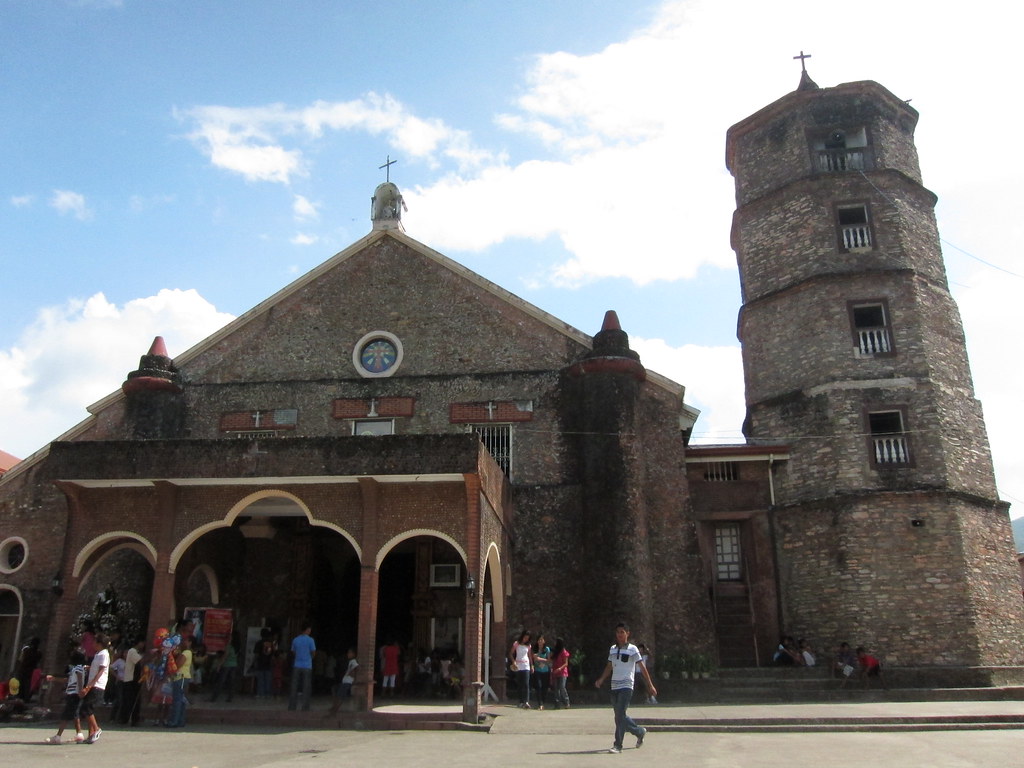
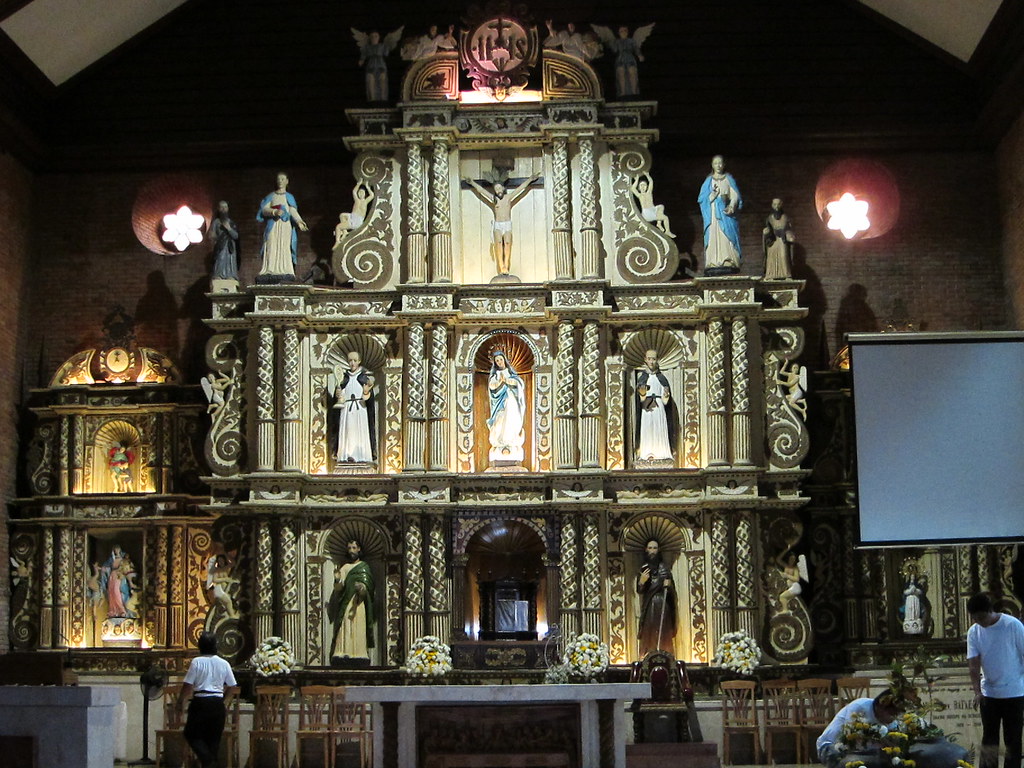
Marinduque is also a center of heritage and culture, with its beautifully constructed old churches and houses. You can go church hopping in the different towns, or just admire the old houses while you go around the province. Photos below were taken from Santa Cruz (Santa Cruz Church), and from Boac (Boac Cathedral).
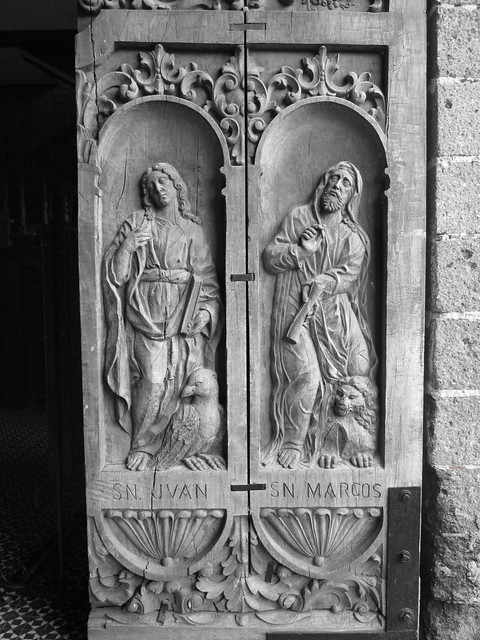
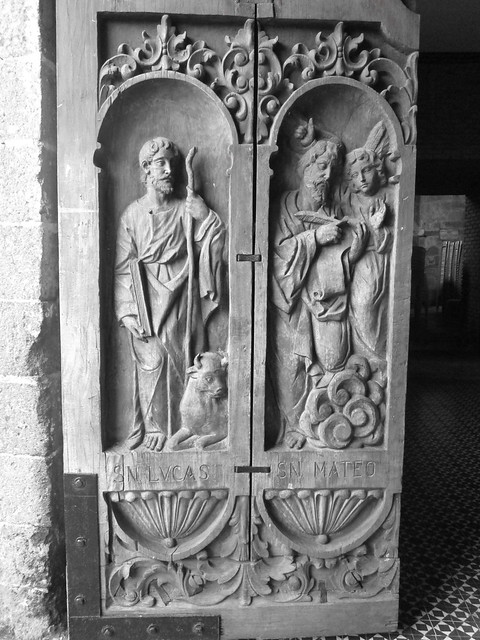 Marinduque Island beyond Moriones Festival
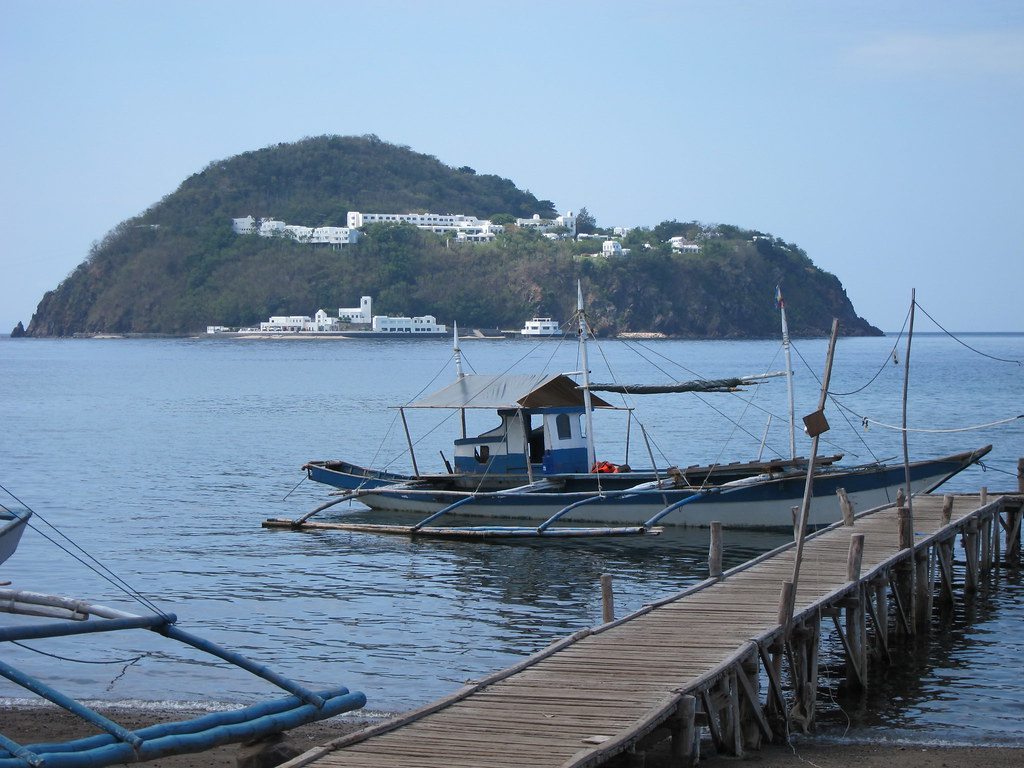
This is Elephant Island, or more popularly known as
Bellaroca Island Resort and Spa. I haven't stepped on the island, but I hope to go there, try it, and write about it in the near future ;) *ahem*
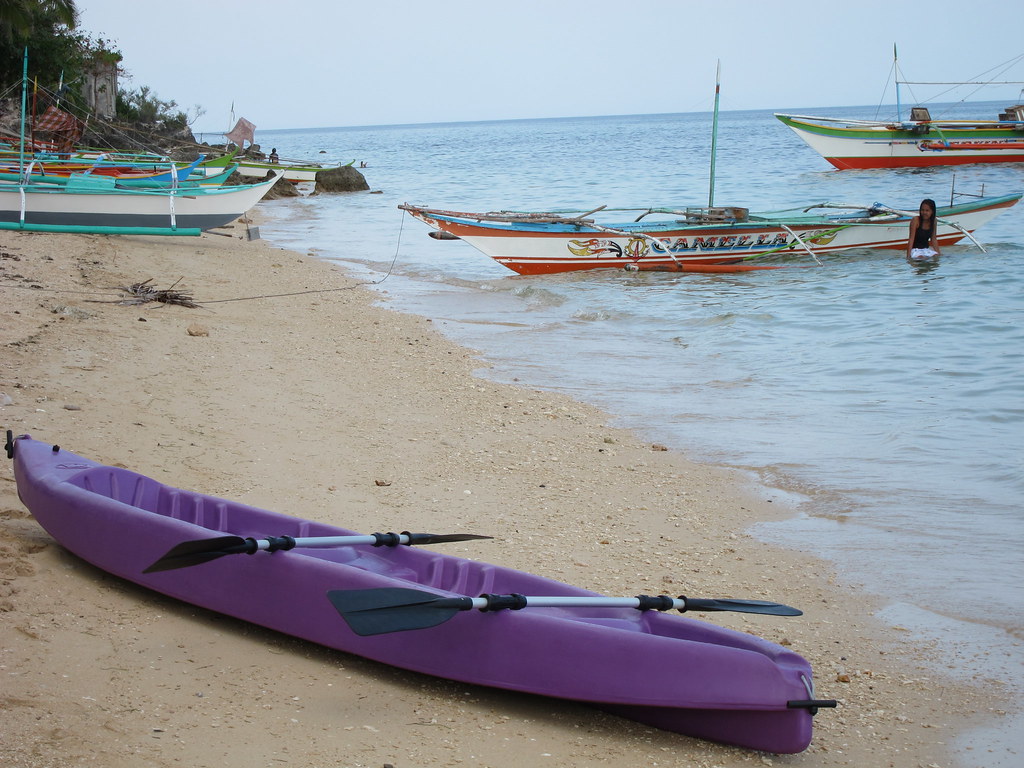
Marinduque also has the
Maniwaya White Sand Beach, which is up for tourism development, and the White Beach in Torrijos (photo below). Also in Torrijos, these photos below were taken from the Congressman's rest house.
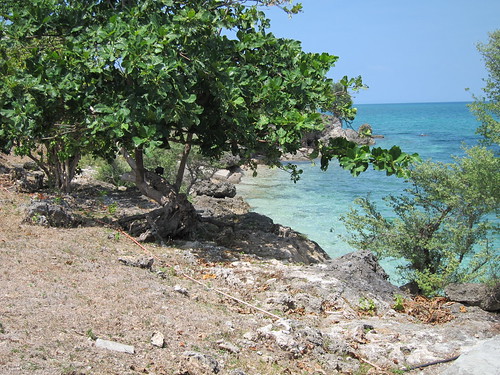
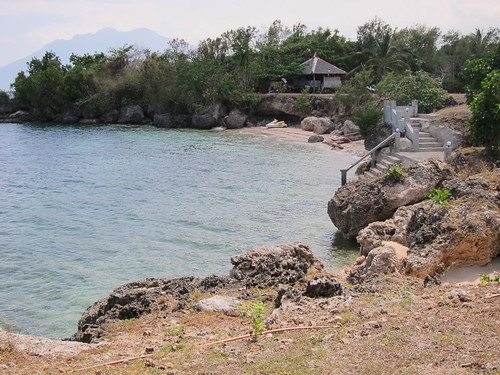
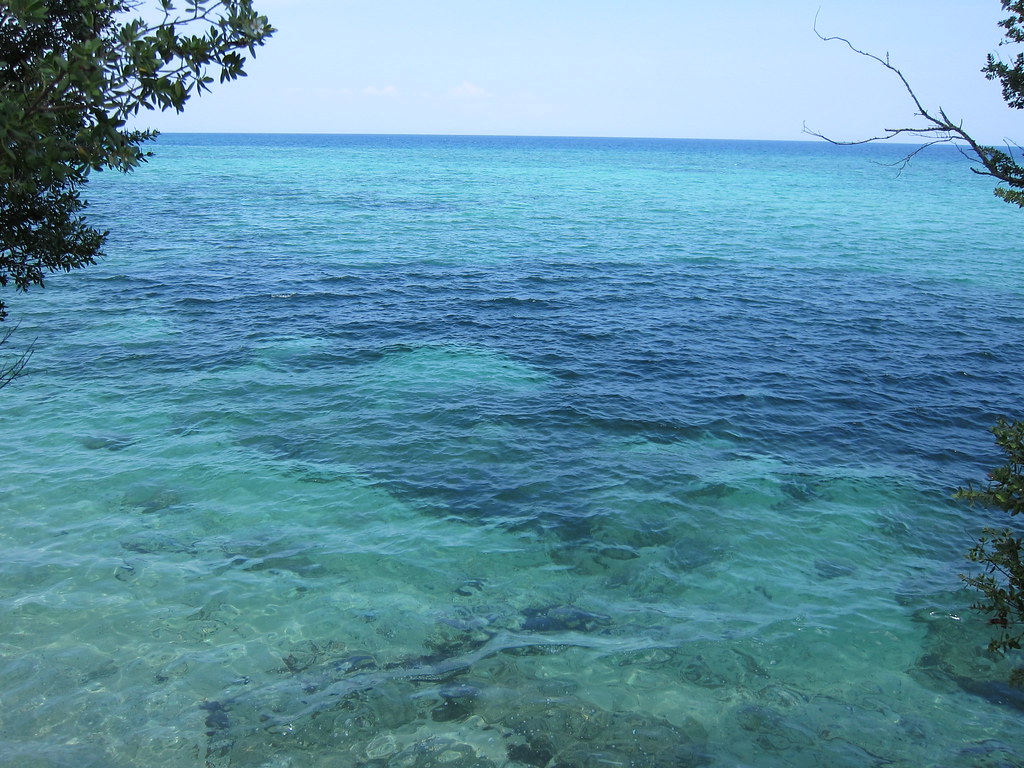
Sulfuric Hot Spring - Marinduque also has a sulfuric hot spring. The first thing you would notice once you get there is its pungent smell, similar to the smell of a rotten egg. Even though this is the case, people still take a dip because they say the water has medicinal properties.
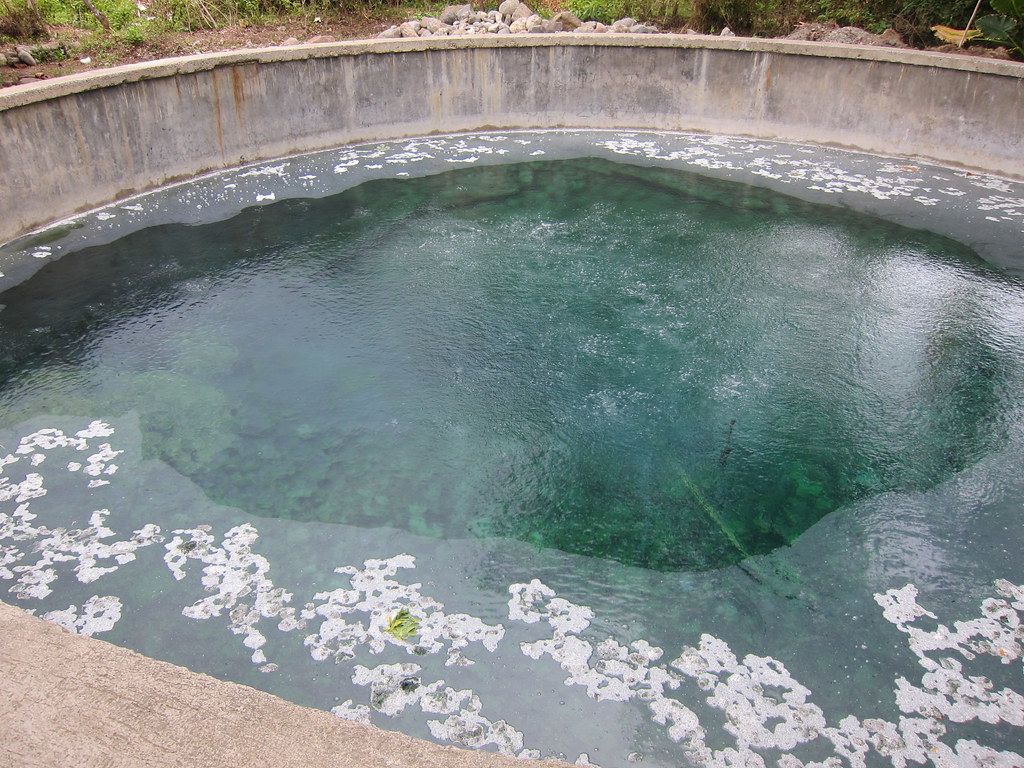
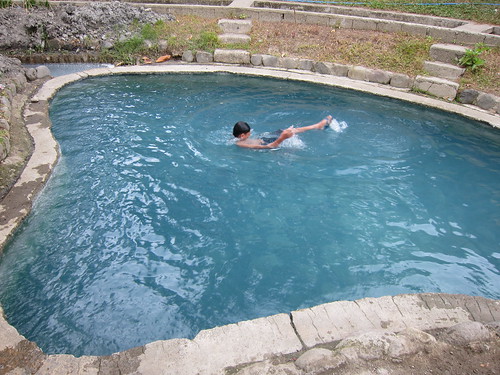
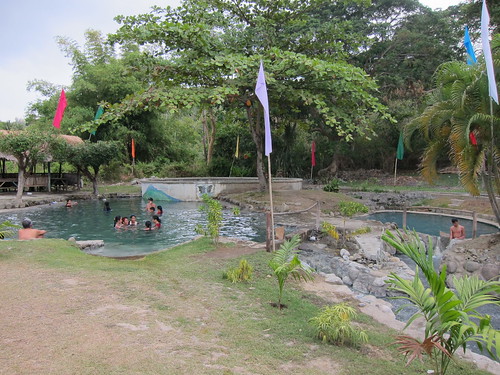
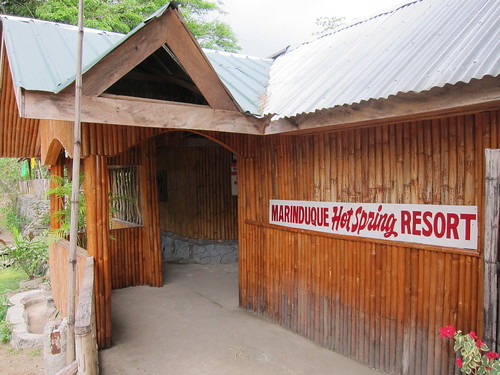
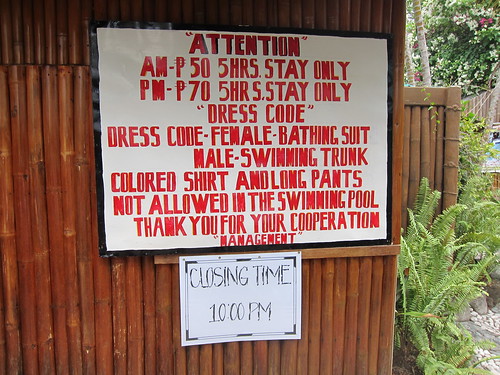
Marinduque Hot Spring Resort - They also have a natural hot spring pool (without sulfur) if you can't take the smell, and if you just want to relax in hot to warm water.
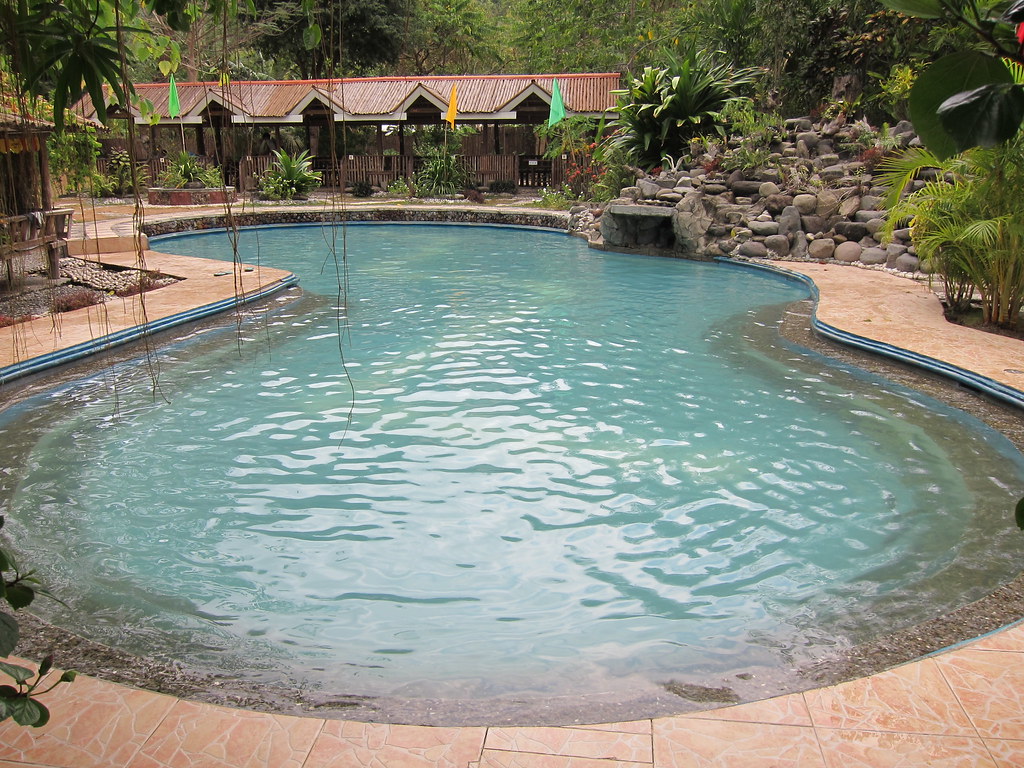
One of the good finds, and a really good
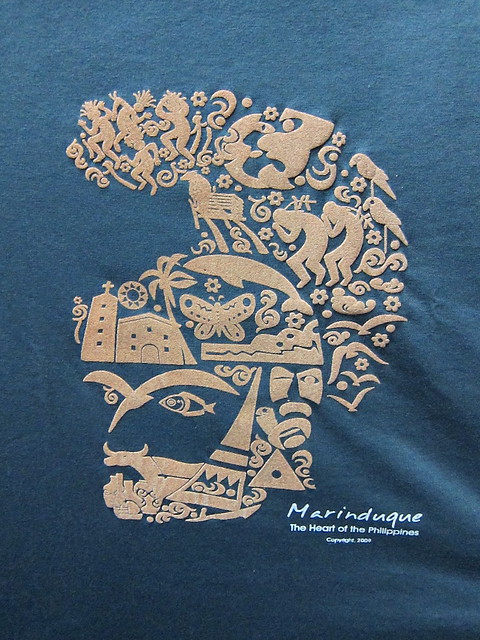
pasalubong or gift, I came across in Marinduque was this shirt designed by a local. I find the design really really good. This is one of the factors which boosts tourism. The design and shirt is by Anto arts & prints, copyrighted. If you want to order, you can contact Ms. Beth Monteagudo at 09279455492, and say that you found out about them here. ;)
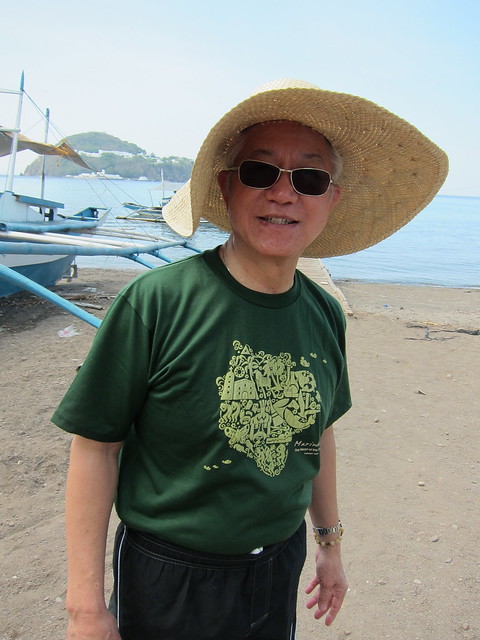 Rep. Hermilando Mandanas of Batangas, wearing Anto arts&prints. I couldn't find the photo right now, but DOT Secretary Lim wore Anto arts&prints on his last day/departure from Marinduque :)